More than 40 percent of compound bow owners who want to practice at home never verify whether backyard archery is legal in their jurisdiction before setting up a range.
You can measure draw length at home using the arm span method – stand against a wall, measure fingertip to fingertip, then divide by 2.5 for an accurate starting point.
IBO and ATA speed ratings show the maximum arrow velocity a bow can achieve under standardized test conditions – useful for comparisons, but real-world speed usually runs 20-60 fps slower.
Your dominant eye – not your dominant hand – should decide whether you shoot a left- or right-handed bow. A simple triangle test tells you which eye leads.
Bow vibration after the shot happens because 15-30% of the bow’s stored energy doesn’t transfer to the arrow and instead dissipates through the limbs, riser, and string into your hand.
Learn how to quiet a noisy bow with string silencers, limb dampeners, and stabilizers – a complete guide to reducing bow noise for hunting and target shooting.
Extending your effective range safely means mastering fundamentals up close first, upgrading gear strategically, and practicing distance-specific drills before pushing your maximum range.
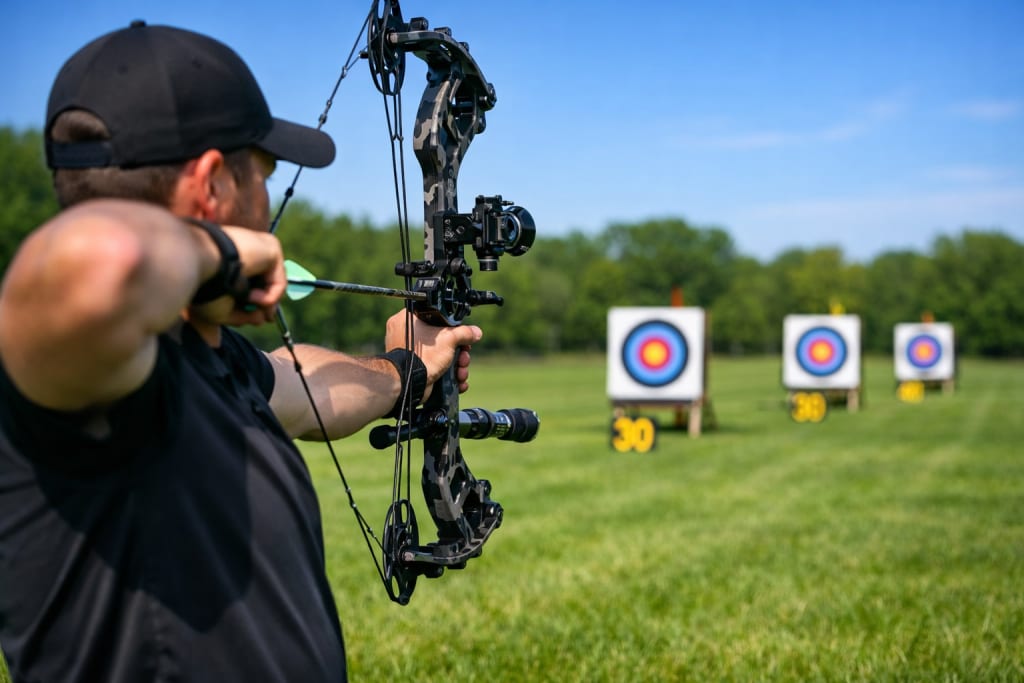
Most archers should build fundamentals at 20 yards before extending to longer distances – beginners start at 10-15 yards, intermediate shooters practice at their common distance plus 10-20 yards.
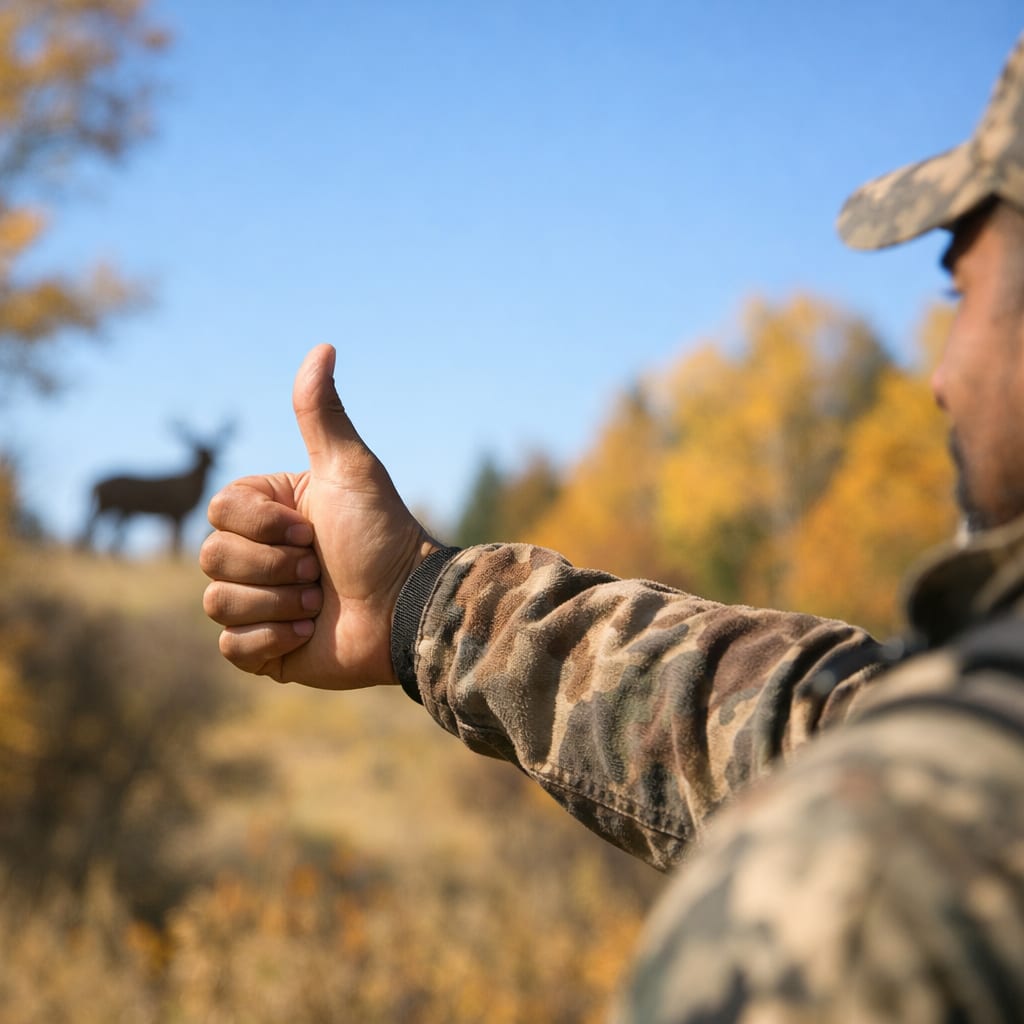
Archers can estimate distance without a rangefinder using the mil relation formula, body measurements, pace counting, and known object sizes – accurate to within 5-10% with practice.
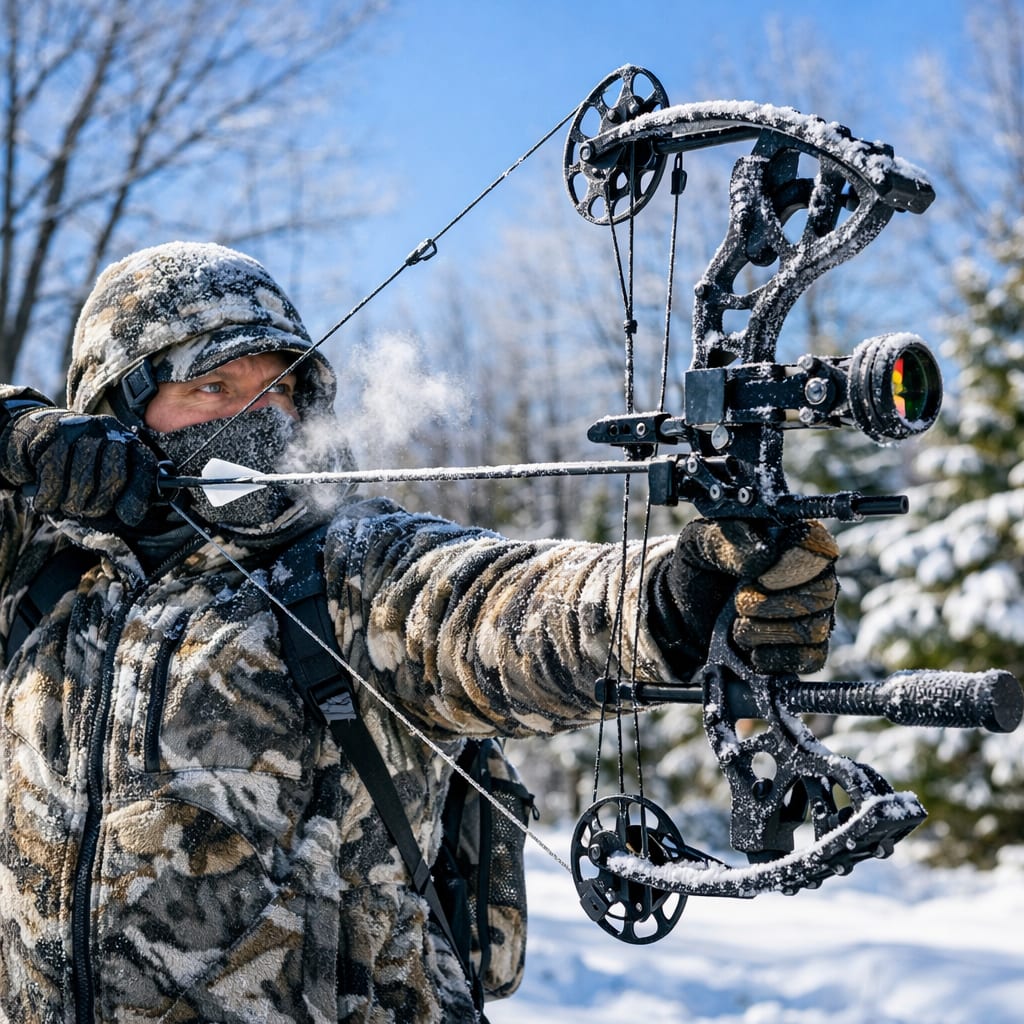
Cold weather changes nearly every part of your shot – reduced string elasticity, stiffer limbs, and altered arrow flight typically cost 2-5 fps and shift point of impact.
Learn the ideal draw weight for deer hunting. Expert guide covers minimum requirements, compound vs recurve, beginner tips, and common mistakes to avoid.